

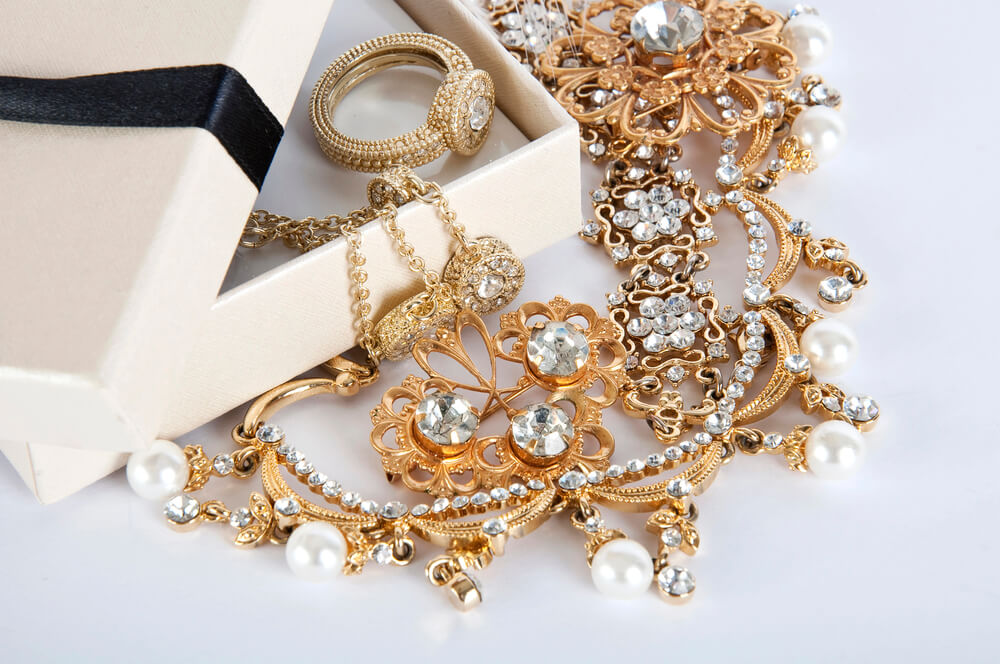
Selling jewelry can be both an emotional and financial decision, whether you’re parting with family heirlooms or simply looking to turn unused pieces into cash. However, to ensure you get the best value when selling your jewelry, it’s essential to approach the process with careful planning and knowledge. From understanding the factors that influence pricing to finding reputable buyers, there are several steps you can take to maximize your return. In this article, we’ll share top tips to help you get the most value when selling your jewelry.
1. Understand the Value of Your Jewelry
Before selling your jewelry, it’s crucial to understand what you’re working with. Several factors contribute to the value of your jewelry, including the materials, craftsmanship, and current market trends. Here’s how to assess the value of your pieces:
- Material: The type of metal used (gold, silver, platinum) and its purity will significantly impact the price. For example, 24K gold is more valuable than 14K gold because it is purer. Similarly, platinum is often more valuable than gold due to its rarity and strength.
- Gemstones: If your jewelry contains diamonds or other precious gemstones, their quality will affect the value. Factors such as carat weight, clarity, cut, and color play a role in determining a gemstone’s worth. Have any gemstones in your jewelry appraised to know their precise value?
- Brand or Designer: Designer jewelry from brands like Cartier, Tiffany & Co., or Van Cleef & Arpels can fetch a higher price due to the brand’s reputation. If you have a branded piece, make sure you have documentation to prove its authenticity.
- Condition: The better the condition of your jewelry, the higher the price you can command. Clean, undamaged pieces tend to sell for more than those showing signs of wear and tear.
2. Get Your Jewelry Appraised
A professional appraisal is essential for determining the true value of your jewelry. This can help you avoid underselling your pieces, as it provides an expert evaluation based on the current market value of materials and gemstones.
- Certified Appraisers: Look for certified appraisers with qualifications from reputable organizations such as the Gemological Institute of America (GIA) or the American Gem Society (AGS). These experts have the skills and knowledge to accurately assess your jewelry.
- Appraisal for Insurance vs. Selling: Keep in mind that the value given for insurance purposes might be higher than what you’ll receive in the resale market. Insurance appraisals account for replacement costs, while resale appraisals reflect what buyers are willing to pay in the current market.
3. Research the Market
Jewelry prices fluctuate based on current market trends, especially for materials like gold, silver, and platinum. Understanding the market value of these materials can help you time your sale for the best return.
- Gold Prices: The price of gold can change daily based on global economic conditions, geopolitical events, and supply and demand. You can track gold prices online to determine if it’s a good time to sell your gold jewelry.
- Gemstone Market: The value of gemstones, particularly diamonds, can also vary. For example, diamonds with specific characteristics (e.g., ethically sourced or rare colors) might be in high demand, driving prices up.
By researching the market and staying informed, you’ll have a better idea of when to sell and what you can expect in terms of value.
4. Shop Around for Buyers
Never settle for the first offer you receive. Jewelry buyers may have different methods of valuation, and you could receive a variety of offers for the same piece. To ensure you get the best price, it’s essential to shop around and compare quotes from various buyers.
- Jewelry Stores and Pawn Shops: Many local jewelry stores and pawn shops buy secondhand jewelry. However, these businesses often have overhead costs and may not offer the highest price.
- Specialized Jewelry Buyers: Consider selling to buyers who specialize in gold, diamonds, or antique jewelry. These buyers typically have more expertise in evaluating specific types of jewelry and may offer better prices.
- Online Jewelry Buyers: There are several reputable online platforms where you can sell your jewelry. These platforms often offer competitive pricing due to their larger market reach. However, ensure that the buyer offers insurance and guarantees for shipping your valuable items.
5. Consider Selling Privately
Selling your jewelry directly to a private buyer can sometimes yield a better return compared to selling through a middleman. This option requires more effort, as you’ll need to market your jewelry and negotiate with potential buyers, but it can result in a higher payout.
- Online Marketplaces: Platforms like eBay or specialized jewelry auction sites can connect you with private buyers who are willing to pay more for unique or rare pieces. When selling online, make sure to provide high-quality photos, detailed descriptions, and proof of authenticity to build trust with buyers.
- Jewelry Auctions: If you have a valuable or rare piece, consider selling it at a jewelry auction. Auctions can attract collectors and enthusiasts who are willing to bid competitively for unique items.
6. Negotiate for the Best Price
Once you receive offers, don’t be afraid to negotiate. Many buyers are willing to offer more if they believe you’re serious about getting a better price or if they know you’re comparing offers from other sources. Here are a few tips for effective negotiation:
- Know Your Minimum Price: Before entering negotiations, decide on the lowest price you’re willing to accept based on your appraisal and market research.
- Leverage Multiple Offers: Let buyers know that you’re comparing offers. This can encourage them to raise their initial offer if they know there’s competition.
- Stay Professional: Be polite but firm during negotiations. Buyers are more likely to respect a seller who remains calm and collected throughout the process.
7. Evaluate Buyer Reputation
When selling valuable jewelry, it’s crucial to choose a trustworthy and reputable buyer. Scams and lowball offers are common in the jewelry market, so take the time to research potential buyers.
- Check Reviews: Look for online reviews on platforms like Google, Yelp, or Trustpilot to see what other sellers have experienced with a particular buyer. Consistent positive reviews are a good sign that the buyer is reliable and fair.
- Ask for Credentials: Reputable buyers often have certifications from professional organizations, such as GIA or AGS, which demonstrate their expertise and ethical standards. Don’t hesitate to ask for proof of credentials.
- Beware of Red Flags: Be cautious of buyers who pressure you into making a quick sale or who refuse to explain their valuation process. A legitimate buyer will give you time to consider offers and will be transparent about how they determine the value of your jewelry.
8. Sell When the Time Is Right
Timing can make a significant difference in the value you receive when selling jewelry. For example, selling gold when prices are high can result in a better payout. Similarly, if there’s a trend or increased demand for vintage or antique jewelry, you may be able to command a higher price.
Keep an eye on market trends and consider waiting for an opportune moment to sell if the market for your type of jewelry is currently down.
Conclusion
Getting the best value when selling your jewelry requires research, patience, and strategy. By understanding the value of your pieces, getting multiple offers, and working with reputable buyers, you can maximize your return. Whether you’re selling gold, diamonds, or antique jewelry, these tips will help you navigate the process with confidence and ensure you get the top dollar for your valuables.
