

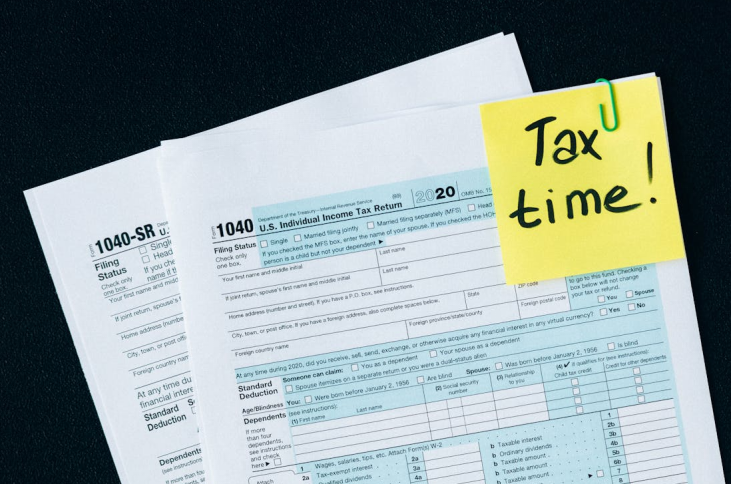
Financial hardship can strike unexpectedly, making it challenging to cover essential living costs. Whether due to job loss, medical expenses, or rising inflation, managing home expenses during tough times requires careful planning and resourcefulness. Many homeowners struggle to keep up with mortgage payments, utility bills, and daily necessities, increasing stress and uncertainty. Fortunately, options like IRS financial relief assistance can provide breathing room for those burdened by tax debt. Taking proactive steps can maintain economic stability and keep your home running smoothly, even when money is tight.
Prioritizing Essential Expenses
You must determine your most crucial expenditures when you have limited money. Mortgage or rent payments must be prioritized since losing your home would lead to severe consequences. Reach out to your lender or landlord to find solutions such as payment extensions, deferments, and modified payment arrangements when you experience difficulties making payments. Financial institutions operate hardship assistance programs that provide temporary relief to their customers.
Most people consider the accessibility of electricity, water, and heating services an essential expense. Service providers will assist customers needing hardship programs or flexible payment options to prevent disruptions. Government programs and nonprofit organizations operate assistance initiatives that provide funds to help pay utility bills for financially unstable people. Energy waste reduction through device unplugging and thermostat adjustments helps decrease monthly utility expenses.
Budgeting your food expenses effectively enables you to save money while maintaining nutritional balance. The strategy of smart shopping through meal planning, combined with bulk purchases and coupon usage, helps extend your food budget. Local food banks, along with assistance programs, operate to offer short-term aid to people in need.
Cutting Unnecessary Spending
Cutting out all unnecessary expenses can alleviate financial hardship. Small pleasures such as streaming services, eating outside restaurants, and spontaneous purchases do not appear significant, yet they accumulate into substantial costs. A thorough analysis of your bank statements and identifying unimportant expenses enables better financial decision-making.
You should consider discontinuing subscription services that you do not require. Services from various companies offer temporary suspension without fees, so you can resume them later after your financial condition improves. You can still enjoy entertainment by using libraries, free or affordable streaming options, and public activities instead of paid services.
Saving money becomes more effective through decreased transportation costs. Car ownership requires you to minimize driving distance and share rides with others to reduce fuel costs and vehicle maintenance expenses. People who maintain several vehicles might reduce expenses by selling extra vehicles or replacing them with fuel-efficient models.
Finding Additional Sources of Income
More revenue streams need to be discovered because current income does not match financial requirements. Side jobs, freelance work, and selling unwanted household goods will generate money to pay for basic needs. The gig economy’s flexible nature enables you to earn money through ride-sharing, food delivery, and online services that allow you to work according to your schedule.
You should start tutoring students or provide consulting services, and develop online courses if you possess specific skills or expertise. Online platforms that match freelancers with clients are excellent platforms for people who want to convert their knowledge into financial gain. A little additional income will help you pay your financial responsibilities.
Seeking Financial Assistance and Relief Programs
The government and nonprofit organizations operate programs that distribute financial support to people experiencing difficulties. Financial assistance programs, which provide housing support, food assistance, and healthcare benefits, will help you manage your expenses until you reach financial stability. You should investigate all available financial relief benefits at the federal, state, and local levels because these programs might provide you with eligibility.
The IRS Hardship Program serves as an effective solution to manage tax debt when you need financial assistance to avoid additional financial problems. Taxpayers who face severe economic difficulties can receive relief through this program because it delays collection activities. Working with a tax advocate enables you to understand the application process and select appropriate solutions.
Conclusion
Managing financial difficulties remains challenging yet strategic planning combined with purposeful decision-making allows you to sustain your home expenses. Short-term financial survival becomes possible by dedicating resources to essential costs and eliminating wasteful spending, combined with additional income pursuits, until you establish long-term economic stability. The combination of IRS hardship relief and housing support programs through financial assistance will help you control your financial condition while reducing pressure. The process of recovering from challenging situations becomes easier when you take active control of your situation to develop better conditions for recovery and growth.
