

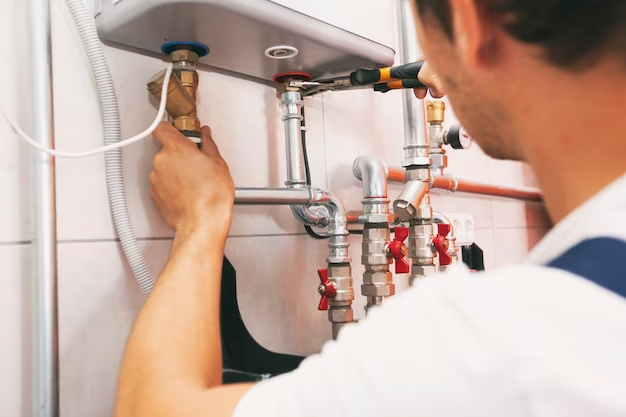
A well-functioning heating system is crucial for maintaining a comfortable home during colder months. However, heating systems can face various issues that can affect their performance and efficiency. Understanding these common problems and knowing how to prevent them can help ensure your heating system operates smoothly when you need it most.
1. Dirty or Clogged Air Filters
Issue: Air filters play a critical role in keeping your heating system running efficiently. They trap dust, dirt, and other particles to keep the air in your home clean. Over time, filters can become clogged with debris, which restricts airflow and forces your heater to work harder. This can lead to reduced efficiency, higher energy bills, and even system breakdowns.
Prevention: Regularly check and replace your air filters. Depending on the type of filter and your home’s environment, you might need to replace it every 1-3 months. Clean filters help maintain optimal airflow and system performance. For specific recommendations, consult your system’s manual or a professional.
2. Thermostat Issues
Issue: The thermostat controls your heating system by signaling it to turn on and off based on the temperature settings you choose. If the thermostat is malfunctioning or incorrectly calibrated, it can lead to inconsistent temperatures, reduced comfort, and increased energy usage.
Prevention: Ensure your thermostat is correctly calibrated and functioning properly. If you notice any discrepancies in temperature readings or if your thermostat is unresponsive, consider recalibrating it or having it inspected. Modern programmable thermostats offer better control and efficiency, so upgrading might also be a good option.
3. Pilot Light or Ignition Problems
Issue: For gas heating systems, a pilot light or ignition system is crucial for starting the burner. If the pilot light goes out or if there are issues with the ignition system, your heater won’t operate properly. This can be due to drafts, dirty components, or faulty thermocouples.
Prevention: Regularly check the pilot light or ignition system to ensure it’s functioning correctly. If you notice the pilot light is frequently out or if you have difficulty relighting it, contact a professional to inspect the system. Keeping the area around the pilot light free from drafts and ensuring components are clean can also help prevent issues.
4. Faulty Blower Motor
Issue: The blower motor circulates warm air throughout your home. If the motor is faulty or worn out, you might notice reduced airflow, strange noises, or even the complete failure of the heating system.
Prevention: Regular maintenance of your heating system can help prevent blower motor issues. Ensure the motor is lubricated and inspected regularly to avoid wear and tear. If you notice any unusual noises or reduced airflow, have the motor checked by a professional.
5. Ductwork Problems
Issue: The ductwork in your home is responsible for distributing heated air. Leaks, blockages, or poor insulation in the ducts can lead to uneven heating, reduced efficiency, and higher energy bills.
Prevention: Inspect your ductwork for leaks or damage. Sealing any leaks and ensuring proper insulation can help maintain efficiency. Professional duct cleaning and maintenance can also prevent blockages and improve airflow. Regular inspections can identify issues before they become major problems.
6. Electrical Issues
Issue: Electrical components, such as the furnace’s circuit board, relays, and switches, can malfunction and affect the heater’s operation. Electrical issues can cause the system to shut down, fail to start or operate intermittently.
Prevention: Regular inspections of your heating system’s electrical components can help identify potential problems. Ensure all electrical connections are secure and in good condition. If you experience electrical issues or frequent tripping of circuit breakers, seek professional assistance to diagnose and fix the problem.
7. Flame Sensor Problems
Issue: The flame sensor ensures that the burner is igniting properly. If the sensor is dirty or malfunctioning, it can cause the burner to shut off or fail to ignite, leading to heating issues.
Prevention: Regular cleaning and inspection of the flame sensor can help prevent issues. If you notice that your heater is frequently shutting down or failing to ignite, have the flame sensor checked by a professional. Keeping the sensor clean ensures proper operation of the heating system.
8. Improperly Sized Heating System
Issue: If your heating system is too large or too small for your home, it can lead to inefficiencies and performance issues. An oversized system may cycle on and off too frequently, while an undersized system may struggle to maintain a comfortable temperature.
Prevention: When installing or replacing a heating system, ensure it is properly sized for your home. A professional can perform a load calculation to determine the correct size based on your home’s needs. Proper sizing helps ensure efficient operation and comfort.
9. Blocked Vents
Issue: Blocked or closed vents can restrict airflow and lead to uneven heating throughout your home. This can cause your heating system to work harder to maintain the desired temperature, reducing efficiency and comfort.
Prevention: Regularly check and ensure that all vents are open and unblocked. Keep furniture and other objects away from vents to allow for proper airflow. If you notice any airflow issues, inspect the vents and ductwork for potential blockages.
10. Aging System
Issue: As heating systems age, they can become less efficient and more prone to breakdowns. Older systems may require more frequent repairs and may not operate as efficiently as newer models.
Prevention: Regular maintenance can help extend the life of your heating system. However, if your system is nearing the end of its expected lifespan (typically 15-20 years), consider evaluating whether it’s more cost-effective to repair or replace it. Investing in a new system can improve efficiency and reduce long-term costs.
11. Inadequate Maintenance
Issue: Lack of regular maintenance is a common cause of heating system problems. Without routine checks and upkeep, small issues can escalate into major repairs or system failures.
Prevention: Schedule regular maintenance for your heating system, ideally before the cold season begins. Professional inspections and tune-ups can identify and address potential issues before they become significant problems. Regular maintenance helps keep your system running smoothly and efficiently.
12. Thermostat Placement Issues
Issue: The location of your thermostat can impact its performance. If the thermostat is placed near a draft, in direct sunlight, or close to a heat source, it can give inaccurate temperature readings and affect the heating system’s operation.
Prevention: Ensure your thermostat is placed in a location that accurately reflects the overall temperature of your home. Avoid placing it near drafts, windows, or heat sources. If you suspect placement issues, consider relocating the thermostat or consulting a professional for advice.
13. Gas Pressure Problems
Issue: For gas heating systems, incorrect gas pressure can affect the performance of the heater. Low gas pressure can lead to insufficient heating, while high pressure can cause safety concerns and system malfunctions.
Prevention: Regularly check and ensure that the gas pressure is set correctly for your heating system. If you notice any issues with heating or gas pressure, contact a professional to inspect and adjust the gas pressure as needed.
14. Frozen Condensate Lines
Issue: In some heating systems, condensate lines can freeze during cold weather, leading to drainage issues and potential system shutdowns. Frozen lines can cause water damage and affect the heater’s performance.
Prevention: Ensure that condensate lines are properly insulated to prevent freezing. Regularly check and clear any debris that may block the lines. If you experience issues with condensate lines freezing, consult a professional for assistance and potential solutions.
15. Improper System Settings
Issue: Incorrect settings on your heating system can affect its performance and efficiency. For example, setting the thermostat too high or using incorrect modes can lead to discomfort and increased energy costs.
Prevention: Familiarize yourself with your heating system’s settings and ensure they are configured correctly for your needs. Adjust the thermostat to a comfortable and energy-efficient setting. If you’re unsure about the settings, consult the user manual or seek advice from a professional.
16. Inadequate Insulation
Issue: Poor insulation in your home can lead to heat loss and reduced efficiency of your heating system. Inadequate insulation means your heater has to work harder to maintain a comfortable temperature, leading to increased energy consumption.
Prevention: Improve insulation in your home by sealing gaps and adding insulation to walls, attics, and floors. Proper insulation helps retain heat and reduces the workload on your heating system, leading to improved efficiency and lower energy bills.
17. Blocked Air Returns
Issue: Air returns are crucial for the proper circulation of air through your heating system. Blocked or obstructed air returns can reduce airflow and lead to inefficient heating and comfort issues.
Prevention: Regularly check and ensure that air returns are free from obstructions. Keep furniture and other objects away from air returns to allow for proper airflow. If you notice any issues with air circulation, inspect and clear any blockages in the system.
18. Dirty Burner Components
Issue: The burner is responsible for heating the air in a gas heating system. Dirty or clogged burner components can affect combustion efficiency, leading to reduced heating performance and potential safety concerns.
Prevention: Regularly inspect and clean burner components to ensure they are free from dirt and debris. Keeping the burner clean helps maintain efficient operation and ensures safe and effective heating.
19. Water Leaks
Issue: Water leaks around the heating system can indicate issues with condensate drainage or other components. Leaks can cause water damage, affect system performance, and lead to more significant problems if not addressed promptly.
Prevention: Regularly check for any signs of water leakage around your heating system. Ensure that condensate drains are clear and functioning properly. If you notice any leaks, have them inspected and repaired by a professional.
20. Improper Ventilation
Issue: Proper ventilation is essential for the efficient operation of your heating system. Inadequate ventilation can lead to poor air circulation, reduced efficiency, and potential safety issues.
Prevention: Ensure that your heating system has adequate ventilation and that vents and air ducts are not blocked or obstructed. Regular inspections and maintenance can help identify and address ventilation issues, ensuring optimal performance and safety.
By understanding these common heating system issues and taking preventive measures, you can help ensure your heating system operates efficiently and effectively. Regular maintenance, timely repairs, and attention to system components can help keep your heating system in good working condition and provide reliable comfort throughout the colder months.
