


Raccoons invading neighborhoods are becoming common as these clever animals adapt to urban environments. Understanding why raccoons are drawn to residential areas can help you take steps to manage their presence effectively. Their natural curiosity and ability to thrive in human habitats make them frequent visitors to yards and dumpsters.
As raccoons search for food and shelter, they often disrupt the peace of your neighborhood. You may notice signs of their activity, such as overturned trash cans or nesting in sheds. Recognizing these behaviors can assist you in addressing the issue before it escalates.
Taking proactive measures can deter raccoons from making your neighborhood their home. Simple steps like securing garbage, closing off potential entry points, and using repellents can reduce their presence. Staying informed about raccoon behavior and habits will empower you to protect your property and maintain a harmonious environment.
Understanding Raccoon Behavior
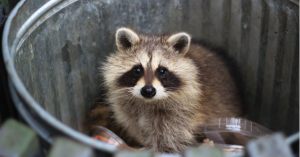
Raccoon behavior plays a crucial role in their invasion of neighborhoods. Examining their motivations and the resulting impacts can help you better understand how to manage their presence.
Reasons for Raccoon Invasion
Raccoons are drawn to residential areas primarily because of the availability of food and shelter. Garbage cans, pet food, and compost bins are attractive sources of nutrition. Raccoons are opportunistic feeders, which means they exploit unprotected food sources.
Another significant factor is their adaptability. Raccoons can thrive in various environments, from forests to urban settings. With less natural habitat available, they increasingly invade neighborhoods.
Additionally, female raccoons seek safe den sites for their young during breeding seasons, often choosing attics, garages, or sheds. This increases the probability of encounters, leading to increased concern among residents.
Impact on Neighborhoods
The presence of raccoons in neighborhoods can result in several challenges. Property damage is common, especially if raccoons gain access to attics or basements. They may tear insulation, create messes, or chew through wiring.
There are also health concerns associated with raccoon invasions. These animals can carry parasites and diseases, such as rabies and roundworms. Pets, children, and other wildlife may be at risk if they come into contact with raccoons or their droppings.
Moreover, raccoons can disrupt community harmony. Noise from their nocturnal activities or confrontations can disturb your peace. You might also notice increased aggression between pets and raccoons, leading to heightened tensions in the neighborhood.
Effective Raccoon Control Strategies
Addressing raccoon invasions requires a blend of preventive measures and humane removal techniques. Implementing these strategies can significantly reduce interactions with these animals in your neighborhood.
Preventive Measures
Preventing raccoons from invading your area starts with making your property less attractive to them. Secure your garbage bins with tight-fitting lids, as raccoons are known for scavenging for food.
Use raccoon-proof containers or place them in secured garages or sheds.
Seal potential entry points in your home, such as vents, roof gaps, and plumbing openings, to deter raccoons from nesting.
Regularly check your yard for food sources like pet food left outside, fallen fruits, or birdseed. Eliminating these attractants can significantly decrease the likelihood of a raccoon problem.
Humane Removal Techniques
Consider humane removal techniques if raccoons have already made your neighborhood their home. Employ traps designed specifically for capturing raccoons, and make sure these traps comply with local regulations.
Once captured, relocate the raccoon to an appropriate area, following local wildlife guidelines. It’s crucial to handle trapped animals carefully to minimize stress.
Additionally, contacting expert raccoon control for communities can provide tailored assistance. Professionals often have the training and resources necessary for effective removal and can advise on preventive measures to avoid future invasions.
Avoid using lethal methods, as they can be inhumane and may not resolve the underlying problem.
Professional Raccoon Management Solutions

Addressing raccoon invasions requires effective strategies and specialized knowledge. Engaging with professionals ensures thorough solutions for individual properties and neighborhoods facing infestations.
Choosing the Right Pest Expert
When searching for pest expert solutions for raccoons in Allen, consider companies with experience in wildlife management. Look for experts who are licensed, insured, and have positive customer reviews. Check if they follow humane removal practices essential for ethical treatment.
Evaluate their methods thoroughly. Some experts may use traps or baiting techniques, while others focus on exclusion strategies, such as sealing entry points. Ask about their follow-up services to ensure the problem is resolved in the long term. Selecting the right specialist will enhance your chances of successfully managing the raccoon infestation.
Neighborhood-Wide Approach
Neighborhood raccoon infestation solutions benefit from a collaborative approach. Addressing the issue collectively can reduce the raccoon population more efficiently. Engage with local pest removal services that offer neighborhood plans, as this can lead to bulk discounts.
Homeowners should also communicate with each other to establish best practices. A unified effort to secure trash, close off outside food sources, and eliminate nesting sites can significantly deter raccoons from settling in.
Utilizing the services of a reputable company, such as Critter Stop, plays a vital role. They can provide tailored solutions for your neighborhood’s specific needs. Call Critter Stop at (214) 234-2616 for a free inspection and benefit from their fantastic reputation and customer reviews for high-quality work and great service.
